- Get link
- X
- Other Apps
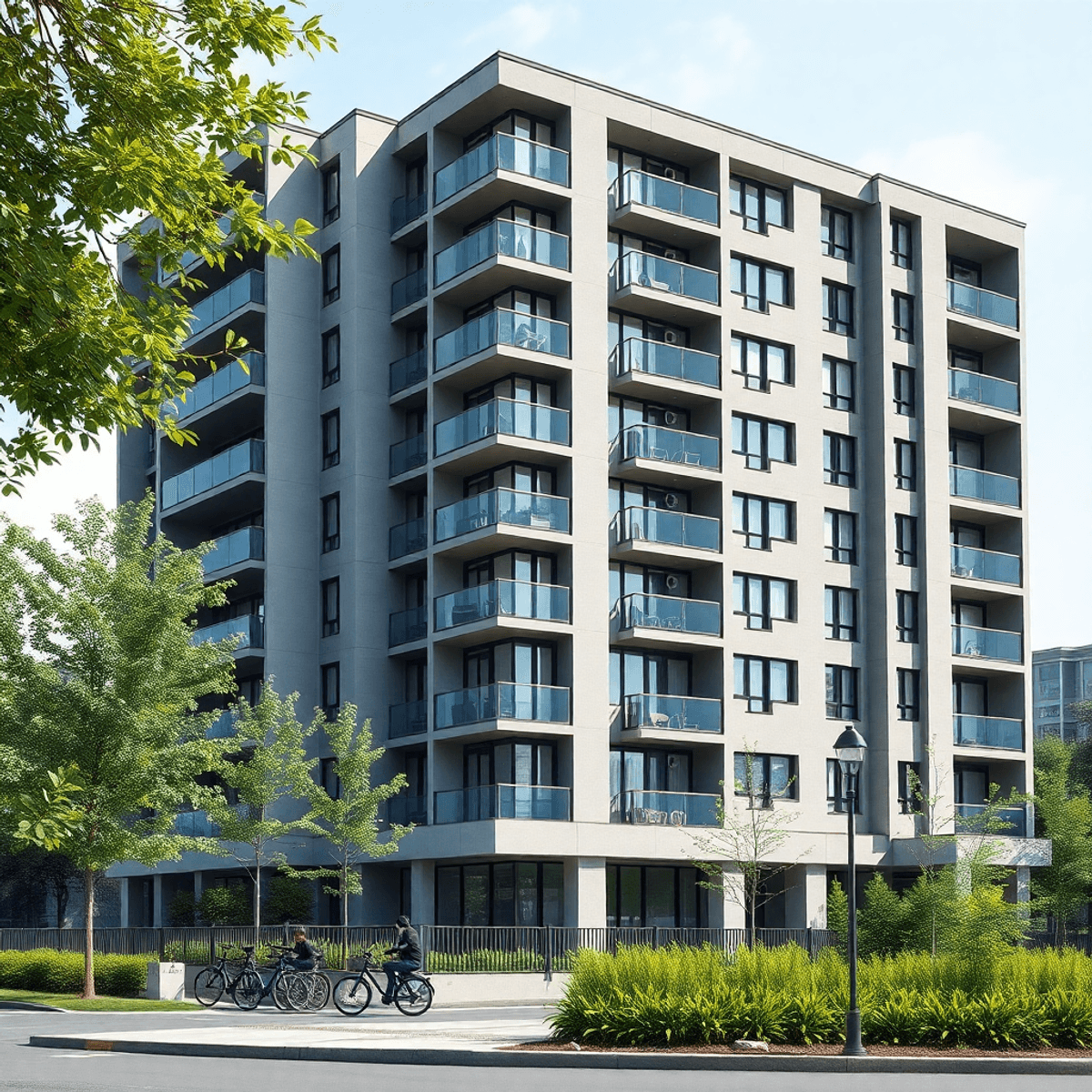
By connecting the absence of gyms to affordability, this piece provides hope and practical solutions for aspiring homeowners.
The real estate landscape is undergoing a notable transformation with the rise of gymless condos. These condominiums are becoming increasingly popular in urban areas, presenting a strategic response to the escalating demand for affordable housing.
Key Features of Gymless Condos
- Absence of traditional amenities: By omitting gym facilities, these developments significantly lower both purchase prices and monthly association fees.
- Enhanced affordability: This shift allows developers to market lower-cost options, appealing to a broader segment of potential homeowners.
The connection between gym amenities and housing costs is evident. Traditional condominiums often incorporate extensive recreational features, inflating their prices and making them inaccessible for many. The emergence of gymless condos addresses this disparity by offering essential living spaces without unnecessary financial burdens.
Accessibility Metrics
The Affordability Index Revolution highlights how gymless condos are reshaping accessibility metrics in the housing market. As urban areas grapple with rising prices and limited availability, these innovative living solutions emerge as viable alternatives for aspiring homeowners.
In this context, gymless condos not only represent a shift in consumer preferences but also align with broader economic trends favoring more streamlined living options. The growing inclination towards minimalist lifestyles resonates with the appeal of these residences, emphasizing practicality over luxury.
Understanding the Affordability Index in Real Estate
The affordability index serves as a crucial indicator in the real estate market, reflecting the relationship between income levels and housing costs. This metric is essential for understanding market trends and determining whether prospective homeowners can afford to purchase property in specific areas.
Definition and Importance
The affordability index quantifies housing affordability by comparing median household income with median home prices. A higher index value indicates greater affordability, while a lower value suggests that homes may be out of reach for many potential buyers. This gauge is vital for:
- Identifying Market Trends: By analyzing shifts in the index, real estate professionals can predict demand and adjust strategies accordingly.
- Policy Development: Local governments utilize this data to create affordable housing initiatives, ensuring residents have access to suitable living conditions.
Calculation of the Affordability Index
Calculating the affordability index involves several key components:
- Median Household Income: The average income of households within a specific region.
- Median Home Prices: The midpoint of home prices in an area, providing insight into market conditions.
- Interest Rates: Current mortgage rates play a significant role, as they influence monthly payments and overall affordability.
The formula used to calculate the affordability index is often represented as follows:
[ \text{Affordability Index} = \left( \frac{\text{Median Household Income}}{\text{Income Required to Qualify for Median Home Price}} \right) \times 100 ]
This calculation reveals how much of a household's income would be necessary to qualify for a mortgage based on current market conditions, enabling potential buyers to assess their financial readiness.
Understanding these dynamics is essential for aspiring homeowners exploring options like gymless condos. By recognizing how the affordability index operates and its implications on housing availability, individuals can make informed decisions about their future investments in real estate.
The Economic Benefits of Gymless Condos
The growing popularity of gymless condos highlights significant economic advantages for prospective homeowners. By eliminating gym amenities, these developments can offer lower purchase prices. This reduction in initial costs positions gymless condos as an attractive entry-level option for first-time buyers or individuals seeking to downsize.
Key Economic Advantages
Lower Purchase Prices
Gymless condos typically feature reduced price points compared to their full-service counterparts. This affordability stems from the absence of costly amenities, allowing developers to implement entry-level pricing strategies that cater to budget-conscious consumers.
Impact on Association Fees
Homeowners in gymless condos often experience lower association fees. Traditional condominiums with extensive facilities generally require substantial financial contributions from residents to maintain these amenities. In contrast, the lack of gyms and pools means lower operational costs, which translates into reduced monthly fees for residents.
Long-Term Cost Savings
Beyond initial purchase prices, owning a gymless condo can result in significant long-term savings. Homeowners avoid the ongoing expenses associated with gym maintenance and additional utility costs tied to recreational facilities. This financial relief allows homeowners to allocate funds toward other essential areas, such as home improvements or personal investments.
In urban environments where housing affordability remains a pressing concern, gymless condos emerge as a viable solution that aligns with current market demands. The combination of lower purchase prices and reduced maintenance fees fosters an environment where homeownership becomes accessible for a broader audience.
Moreover, for those who still desire fitness options without the burden of maintaining a gym, there are budget-friendly home gym setups that can be easily integrated into these living spaces. As the trend continues, many developers are likely to adopt this model, recognizing its potential to meet the needs of aspiring homeowners while addressing the challenges posed by rising housing costs.
Targeting First-Time Buyers: Gymless Condos as a Viable Option
The rise of gymless condos has created important first-time buyer opportunities, especially appealing to millennials and young families. This group includes people who are often trying to figure out how to enter the housing market while prices are high.
Who Are the Potential Buyers?
1. Millennials
Many in this age group prioritize affordability and practicality. As they begin to form households, the absence of expensive amenities aligns with their desire for financial stability.
2. Young Families
With rising costs associated with child-rearing and education, young families look for housing solutions that do not compromise on quality while remaining economically accessible.
These groups are crucial as they represent a large number of potential homeowners actively looking for alternatives to traditional housing options.
Why Is There a Demand for Affordable Housing?
The need for affordable housing solutions is becoming more apparent among these groups. Some reasons behind this trend include:
- Economic Challenges: Stagnant wages combined with rising living costs have made it hard for first-time buyers to find homes in regular markets.
- Changing Lifestyles: Many people are moving towards minimalism and sustainability, which means they no longer see the need for large homes filled with luxury features. Gymless condos directly address this mindset by offering basic living spaces without the extra cost that comes with additional amenities.
The Affordability Index Revolution has become evident in urban areas where gymless condos are being developed. The index shows that aspiring homeowners who would normally be excluded from the housing market due to high prices of full-service condominiums now have better access.
As developers realize the importance of affordable choices, gymless condos emerge as a practical solution, providing a way for today's first-time buyers to achieve their dreams of homeownership while considering their limitations.
From Gyms to Home Workouts: A Shift in Lifestyle Preferences
Changing preferences towards home workouts have significantly influenced the real estate market, leading to an increased demand for gymless condos. Many individuals are now prioritizing convenience and flexibility in their fitness routines, opting for home gyms instead of traditional gym memberships. This evolution in lifestyle can be attributed to several factors:
- Cost Efficiency: Setting up a home gym eliminates ongoing expenses associated with gym memberships. Individuals can invest in compact workout equipment, which often takes up less space and caters to diverse exercise needs.
- Time Savings: The convenience of working out at home allows individuals to fit exercise into their schedules without the need for travel. This accessibility has made it easier for busy professionals, parents, and students to maintain a consistent fitness routine.
- Personalization: A home workout environment can be tailored to individual preferences, creating a more enjoyable and motivating atmosphere. Homeowners can choose their equipment and design their space according to their unique fitness goals.
The shift towards home workouts has also been reinforced by recent global events that prompted many to reconsider their reliance on public spaces for exercise. As a result, housing developments that forego traditional amenities such as gyms become increasingly appealing. Gymless condos align with this trend, offering an affordable solution for aspiring homeowners who wish to embrace a modern lifestyle centered around personal wellness while minimizing living costs.
Outdoor Gyms and Community Fitness Spaces: Enhancing Quality of Life Through Exercise
The emergence of outdoor gyms represents a significant shift in how individuals approach fitness. These facilities, often located in parks or communal spaces, offer an alternative to traditional indoor gyms. With growing popularity, outdoor gyms provide several advantages:
- Accessibility: Outdoor gyms are frequently free to use, removing financial barriers associated with gym memberships.
- Community Engagement: They serve as gathering spots where individuals can connect, fostering a sense of community and shared purpose.
- Variety of Equipment: Many outdoor gyms are equipped with a range of workout stations that cater to different fitness levels, promoting inclusivity.
The benefits extend beyond physical health. Engaging in fitness activities outdoors can enhance mental well-being. Studies indicate that exercising in natural settings reduces stress and improves mood.
Additionally, these spaces encourage a more active lifestyle. The presence of outdoor gyms prompts individuals to incorporate exercise into their daily routines, whether through casual use or organized group activities. This shift aligns with the trend toward home workouts while providing an affordable option for those who may not have access to private facilities.
As urban planners recognize the importance of integrating fitness into the community fabric, outdoor gyms are becoming vital components of urban design. They not only enhance public spaces but also contribute positively to residents' quality of life, reinforcing the notion that fitness can be both accessible and enjoyable.
The Future of Affordable Housing Solutions: Gymless Condos and Beyond
The current state of the real estate market shows a significant shift towards affordable housing solutions. Gymless condos are leading this trend, offering a practical alternative for aspiring homeowners. Here are the key factors driving this change:
1. Rising Demand
There is a growing interest in gymless condos due to the need for cost-effective living options. As traditional housing prices continue to rise, potential buyers are looking for alternatives that fit their budget.
2. Impact on Property Values
While there may be concerns about property valuation in gymless developments, early observations suggest that property values may stabilize or even increase over time. These condos are designed for budget-conscious buyers, which could make the surrounding neighborhoods more desirable.
3. Affordability Index Revolution
Gymless condos are part of a larger shift in the affordability index in urban areas. By focusing on essential living without luxurious amenities, developers are helping to make home ownership more accessible.
Future predictions indicate that gymless condos will become more popular as urban centers struggle with housing shortages. This model promotes sustainable living practices while also addressing the urgent need for affordable options.
The combination of lifestyle preferences and economic realities makes gymless condos a viable solution for homebuyers. As more people recognize their benefits, this trend has the potential to not only change housing markets but also create communities that prioritize practicality and inclusivity.
FAQs (Frequently Asked Questions)
What are gymless condos?
Gymless condos are condominium units that do not include gym amenities, making them a more affordable option for potential homeowners in urban areas. They are designed to cater to those looking for cost-effective housing solutions without the added expense of gym facilities.
How does the affordability index influence the real estate market?
The affordability index is a crucial metric that helps determine housing market trends by assessing the balance between income levels and housing costs. It provides insights into how accessible home ownership is for different demographics, influencing both buyer decisions and developer strategies.
What economic benefits do gymless condos offer?
Gymless condos typically have lower purchase prices due to the absence of gym amenities, which also leads to reduced maintenance fees and association costs. This makes them an attractive option for first-time buyers and those looking to minimize long-term housing expenses.
Who is most likely to buy gymless condos?
Gymless condos appeal primarily to first-time buyers, including millennials and young families, who are seeking affordable housing solutions. The rising demand among these demographics reflects a shift towards more budget-friendly living options in urban environments.
Why are home workouts contributing to the rise of gymless condos?
As lifestyle preferences shift towards home workouts instead of traditional gym memberships, many individuals find they no longer require gym facilities within their living spaces. This change has led to an increased interest in alternative housing options like gymless condos.
What is the future outlook for gymless condos in the real estate market?
Current trends suggest that there will be continued growth in the demand for affordable housing solutions such as gymless condos. Future predictions indicate that these properties may positively impact property values as they cater to a significant market segment seeking cost-effective living arrangements.
Comments
Post a Comment