- Get link
- X
- Other Apps
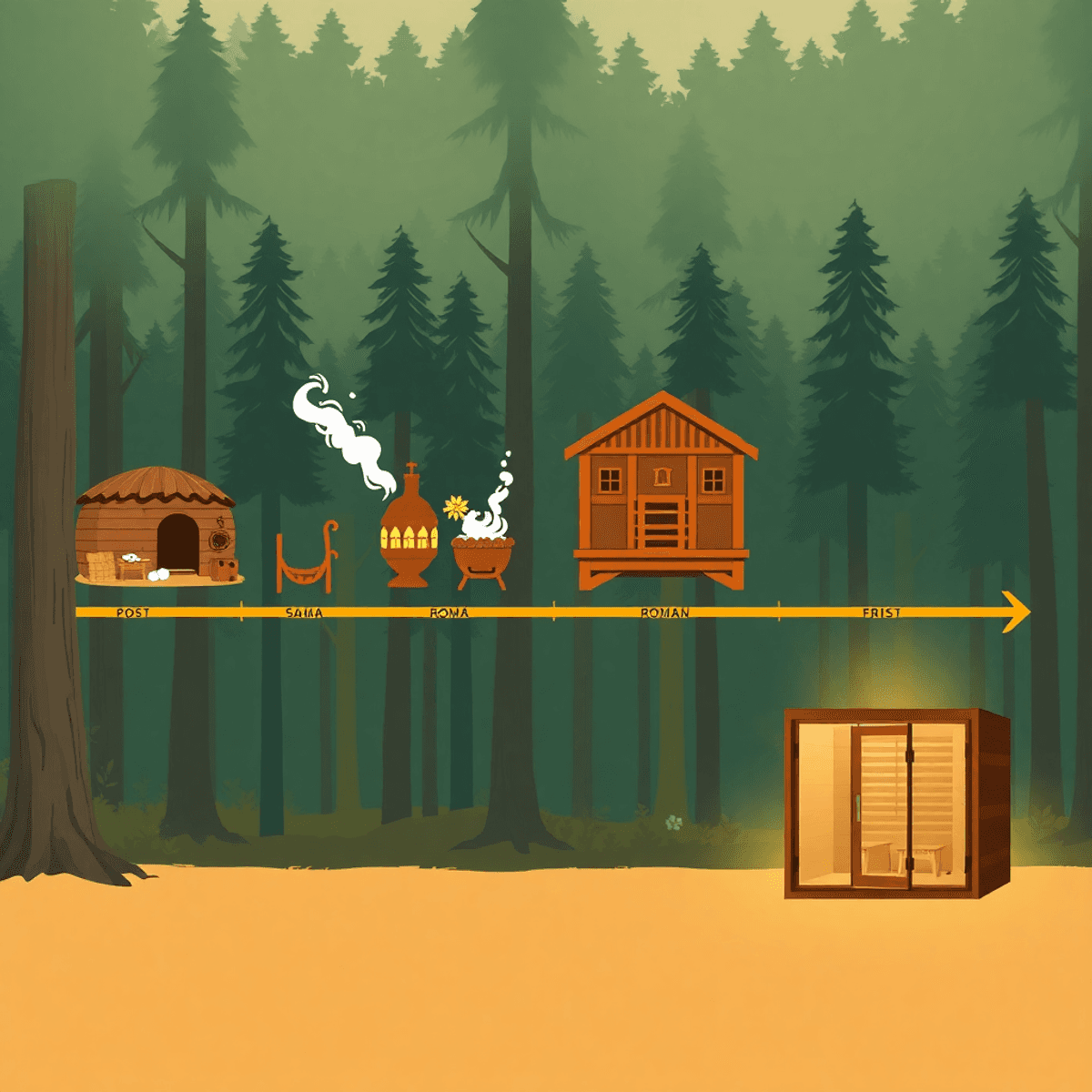
The sauna timeline traces back thousands of years, revealing a rich history of saunas as an enduring wellness practice. Saunas emerged as sacred spaces for cleansing the body and mind, deeply rooted in cultural rituals that span continents and centuries. From rudimentary heated pits to sophisticated modern units, the evolution of sauna reflects humanity’s ongoing quest for health, relaxation, and social connection.
Understanding the traditional sauna timeline alongside modern sauna development sheds light on how innovations have transformed this ancient custom. Significant dates in sauna history mark milestones where technology met tradition—shaping user experience and expanding accessibility. The timeline of sauna innovations captures shifts such as the move from open fires to electric heaters, and the recent surge in infrared sauna technology.
Insights gained from this historical perspective provide valuable guidance on topics like when to replace a sauna or how emerging trends influence product lifecycles. Awareness of the innovation in sauna industry benefits enthusiasts seeking authentic experiences and professionals navigating evolving market demands.
The story of the sauna is one of cultural heritage intertwined with technological progress—each phase contributing layers of meaning and function to this timeless wellness ritual.
Ancient Origins and Early Forms of Saunas
The history of saunas is closely intertwined with human civilization, encompassing aspects of health, tradition, and practicality. Archaeological evidence indicates that sauna-like practices have been around for over 10,000 years, showcasing the evolution of these steam baths into essential components of wellness culture.
Prehistoric Dugout Saunas (5,000–10,000 Years Ago)
In prehistoric times, our ancestors created rudimentary saunas by digging holes in the ground. They would cover these pits with animal hides or plant materials to trap heat inside. By placing heated stones within these enclosures and pouring water over them, they generated steam for both physical cleansing and spiritual rituals.
- Used natural resources available in their surroundings.
- Served multiple purposes—cleansing body and soul.
- Represent some of the earliest known instances of controlled heat therapy.
Early Pit Saunas with Heated Stones (Over 10,000 Years Ago)
Archaeological findings suggest that pit saunas utilizing heated stones existed more than 10,000 years ago. These sites indicate early experimentation with techniques for retaining heat and generating steam, which laid the foundation for future sauna designs.
- Stones heated by fire retained warmth long after the flames extinguished.
- Pouring water onto hot stones produced steam, increasing humidity levels and enhancing therapeutic effects.
- Early users likely discovered benefits such as muscle relaxation and detoxification through trial-and-error methods.
Finnish Smoke Saunas (Savusauna) Circa 2000 BCE
One of the most iconic ancient forms of sauna is the Finnish savusauna, or smoke sauna, which dates back approximately 4,000 years. This type features an open fireplace where wood is burned until it generates sufficient smoke and heat but lacks a chimney. Once the fire dies down, smoke is vented out before bathers enter.
Distinctive elements include:
- Löyly: The burst of steam created when water hits hot stones—a key sensory experience providing intense heat and aromatic moisture.
- Thick wooden walls retaining warmth efficiently.
- A communal space fostering social interaction alongside physical cleansing rituals.
The savusauna remains a cultural symbol in Finland today, exemplifying how ancient traditions persist within modern wellness routines.
Roman Thermae (500 BCE – 500 CE)
During ancient Rome, similar sauna-like practices emerged through public bathhouses known as thermae. These complexes featured various heated rooms including caldarium (hot room), tepidarium (warm room), and frigidarium (cold room). While differing from Finnish-style dry or smoke saunas, thermae embraced moist heat therapies central to Roman social life. Notably, these bathhouses were also spaces where diverse cultural experiences intersected. For instance, they served as venues for Jewish experiences during the Roman era.
Key characteristics:
- Extensive infrastructure supporting hygiene, relaxation, and socializing.
- Use of hypocaust systems, underfloor heating technology that warmed rooms efficiently.
- Integration of bathing rituals with physical exercise and massages.
Roman thermae profoundly influenced later European bathing culture. Their legacy underscores how saunas have changed over time, adapting to regional preferences while maintaining their core principles of communal well-being.
Global Sauna Traditions and Cultural Rituals
Saunas have evolved culturally, showcasing the diverse ways societies have embraced and adapted sauna practices into their wellness and social rituals. These traditions, rooted in historical sauna rituals, continue to influence both historical and modern saunas found in homes, condominiums, hotels, and public spaces worldwide.
Finnish Sauna History: Rituals and Social Norms
Finland is synonymous with the sauna experience, where the practice goes far beyond mere bathing. The Finnish sauna is traditionally a dry or wet sauna heated by wood or electric stoves. Key customs include:
- Birch branch beating (vihta/vasta): Bathers gently beat their skin with fresh birch branches to stimulate circulation and release refreshing scents. This ritual adds therapeutic value while enhancing the sensory experience.
- Nudity as a social equalizer: In Finnish culture, sauna nudity removes social status barriers, creating an environment of openness and equality.
- Cold water plunges: After intense heat exposure, plunging into cold water or rolling in snow refreshes the body, promotes recovery, and invigorates the senses.
These elements solidify the Finnish sauna not only as a cleansing process but also as a deeply communal activity that strengthens bonds among family and friends.
Russian Banyas: Steam Bathing with Venik
The Russian banya shares similarities with the Finnish sauna but emphasizes steam bathing accompanied by unique cultural components:
- Steam bathing: Humidity levels are higher than in typical dry saunas, achieved by pouring water over heated stones.
- Venik usage: Bathers use veniks—bundles of leafy birch or oak branches—to gently strike the skin. This practice exfoliates dead skin cells, improves blood flow, and releases aromatic oils from the leaves.
- Social gathering: Banyas often serve as communal hubs where people socialize, relax, and engage in health-promoting rituals.
Russian banyas have historically been integral to physical cleansing and mental rejuvenation, continuing to inspire contemporary home saunas and hotel spa designs.
Turkish Hamams: Moist Heat Rituals and Exfoliation Techniques
Turkish hamams provide another distinctive approach within global sauna traditions:
- Moist heat environment: Unlike dry Finnish or Russian saunas, hamams create a consistently humid atmosphere ideal for deep sweating.
- Exfoliation rituals: The process includes vigorous scrubbing with a kese (rough glove) to remove dead skin cells, followed by foam massages that cleanse pores thoroughly.
- Cultural significance: Hamams functioned historically as social centers for relaxation and community interaction across various classes.
Modern hammam-inspired house saunas or hotel saunas often incorporate steam generators replicating this lush moisture environment combined with spa services enhancing wellbeing through traditional exfoliation techniques.
Diverse Sauna Settings Reflecting Tradition
Sauna experiences have adapted to suit numerous environments beyond traditional wooden cottages:
- Condominium saunas: Compact designs offer urban dwellers access to wellness rituals once exclusive to rural settings.
- Hotel saunas: Blend cultural authenticity with luxury amenities catering to global travelers seeking authentic relaxation experiences.
- House saunas: Customized installations allow individuals to integrate preferred cultural elements—be it birch whisks from Finland or steam features mimicking banyas or hamams—into their personal wellness routines.
The variety of sauna types—dry sauna for intense heat lovers versus wet steam saunas for those who enjoy humidity—reflects this adaptability while honoring diverse cultural legacies.
The Evolution of Sauna Technology: From Wood-Burning Stoves to Infrared Innovation
The sauna timeline reveals key milestones in sauna technology that have transformed this ancient practice into a modern wellness staple. The evolution of sauna products reflects both cultural adaptations and technological innovations, shaping how people experience heat therapy today—especially in private residential saunas.
Early Heating Methods: Open Fires to Wood-Burning Stoves
For centuries, open fires served as the primary heat source in traditional saunas. This method required large stones placed over the fire to radiate heat and create steam when water was poured over them. However, open fires posed challenges such as smoke accumulation and inefficient temperature control.
Northern Europe pioneered a significant breakthrough with the development of wood-burning stoves without chimneys during the early medieval period. These stoves enclosed the fire within a metal or stone chamber, allowing smoke to vent through a chimney while directing heat efficiently into the sauna room. This innovation provided:
- Cleaner air inside the sauna
- More consistent heat distribution
- Reduced fire hazards
These wood-burning stoves became a defining feature of Finnish savusaunas (smoke saunas) and spread throughout Nordic countries, marking an essential step in the timeline of sauna innovation.
Electrification: Precision Control Arrives in the 1930s
The next major leap in sauna technology came with the introduction of electric heaters in the 1930s. Electric heaters revolutionized home and commercial saunas by offering:
- Precise temperature regulation via thermostats
- Cleaner operation without smoke or ash
- Compact designs suitable for smaller indoor spaces
Electric heating systems enabled wider adoption of saunas in private residences beyond traditional rural settings. This advancement aligned perfectly with urbanization trends and modern lifestyles, making it easier to integrate saunas into apartments and homes.
Manufacturers began experimenting with heater sizes and stone configurations to optimize heat retention and steam production. The ability to control temperature accurately also enhanced safety and user comfort, fostering new rituals around sauna bathing.
Infrared Saunas: A New Wave of Heat Therapy Since the 1960s
Infrared sauna technology emerged as an alternative heating method in the 1960s, representing one of the most disruptive developments in recent decades. Instead of heating air or stones, infrared saunas use radiant heat waves that directly warm the body at lower ambient temperatures.
Key benefits of infrared sauna innovation include:
- Operating temperatures typically between 110°F and 140°F (43°C–60°C), lower than traditional Finnish saunas
- Potential for deeper tissue penetration promoting muscle relaxation and detoxification
- Faster warm-up times and reduced energy consumption
Infrared units appeal to users who prefer gentler heat exposure or require specific therapeutic effects without intense steam or high temperatures. These features have spurred new sauna product cycles within wellness markets focused on health optimization.
Impact on Private Residential Saunas
Technological advancements from wood-burning stoves to electric heaters and infrared systems have diversified options available for private residential saunas. Homeowners can now select models tailored to space constraints, desired heat types, energy efficiency goals, and personal health needs.
New sauna technology trends also include:
- Integration with digital controls for remote operation
- Enhanced insulation materials improving energy retention
- Modular designs facilitating easier installation and upgrades
Each innovation builds on previous milestones in sauna technology, driving continuous transformation within this ancient tradition adapted for contemporary living environments.
Understanding Sauna Product Cycles and Lifespan Management
The sauna product lifecycle follows the usual stages seen in many consumer goods, but it also has specific factors to consider because of how sauna technology works and how people use it. Knowing these stages helps manufacturers, retailers, and users make better choices about creating, taking care of, and replacing saunas.
Typical Stages of Sauna Products
1. Development and Introduction
- Research and innovation focus on materials, heating efficiency, design aesthetics, and user experience.
- New technologies like infrared heating or smart controls often debut here.
- Early adopters are targeted with premium pricing to recoup development costs.
2. Growth
- Market acceptance increases as benefits become widely known.
- Production scales up; costs decrease.
- Product refinements improve durability and functionality based on user feedback.
3. Maturity
- Sales stabilize; competition intensifies with multiple brands offering similar features.
- Focus shifts to differentiation through added services like installation support or warranty extensions.
- Maintenance products (replacement heaters, control panels) gain importance.
4. Decline
- New technologies or changing consumer preferences render older models less attractive.
- Manufacturers may phase out traditional designs in favor of energy-efficient or compact alternatives.
- Users face decisions on repair versus replacement depending on product lifespan.
Lifespan of a Sauna Product
The lifespan of a sauna product can vary based on its type:
- Traditional Finnish-style saunas, made mostly from high-quality wood like cedar or spruce with durable wood-burning or electric heaters, usually last between 15 to 30 years if properly maintained.
- Infrared saunas generally have a shorter lifespan of around 8 to 15 years due to electronic components that wear out faster than wooden structures.
- Factors such as humidity levels, how often the sauna is used, and maintenance routines can greatly impact its longevity.
Infrared vs. Traditional Finnish-Style Sauna Product Cycles
Here's a comparison between the product cycles of traditional Finnish saunas and infrared saunas:
Aspect | Traditional Finnish Sauna | Infrared Sauna |
Materials | Solid wood with durable stoves | Combination of wood/panel housing plus electronic emitters |
Initial Development Focus | Heating efficiency, heat retention | Electronic emitter performance and low-temp therapy benefits |
Maintenance Needs | Periodic wood treatment and heater checks | Electronic component replacement more frequent |
Durability | Longer-lasting structural integrity | Faster component wear but modular replacements possible |
Product Cycle Length | Longer maturity phase; slower decline | Shorter cycles due to rapid tech advances |
Managing Sauna Product Lifespan
To effectively manage the lifespan of sauna products:
- Regularly inspect heaters (both electric and wood-burning) to ensure safe usage over time.
- Replace worn-out parts such as infrared panels or control units promptly to avoid premature decline in product performance.
- Upgrade insulation or incorporate smart sensors into older models during their maturity phase instead of hastening their decline.
“Understanding the stages within sauna product cycles empowers users to anticipate when upgrades are necessary while allowing manufacturers to innovate strategically.”
In this context, leveraging strategies like product-led SEO can significantly enhance visibility and sales during the growth phase by aligning product offerings with consumer search behavior.
Sauna product development continues evolving alongside shifting consumer demands for sustainability, convenience, and wellness integration. This dynamic interplay shapes how long a sauna product stays relevant in the market. By embracing modular design, manufacturers can address component wear effectively, extending the overall durability of their products. Moreover, continuous research and development efforts can help identify emerging technologies that can be integrated into existing models to enhance performance and extend the product cycle length. By staying attuned to consumer needs and market trends, sauna manufacturers can navigate the complexities of managing product lifespans and ensure long-term success in this thriving industry.
Market Trends, Consumer Behavior, and Future Outlook in the Sauna Industry
The sauna timeline continues to evolve as consumer preferences and technological advancements shape the market landscape. Recognizing market trends for saunas helps both enthusiasts and industry players anticipate shifts and opportunities.
Growing Demand for Energy-Efficient and Smart-Enabled Home Saunas
Energy efficiency has become a top priority for buyers concerned with sustainability and cost savings. Modern sauna designs emphasize:
- Improved insulation materials to reduce heat loss.
- Low-energy electric heaters that optimize power consumption without sacrificing performance.
- Use of renewable energy sources such as solar panels integrated with sauna systems.
Smart-enabled home saunas are gaining popularity for convenience and customization:
- Mobile app controls allow users to preheat, adjust temperature, and monitor humidity remotely.
- Integration with voice assistants enables hands-free operation.
- Personalized settings store user preferences for temperature cycles, lighting color therapy, and session durations.
Emerging Products in the Sauna Market
Innovation drives new product categories beyond traditional Finnish-style saunas:
- Portable infrared saunas cater to urban dwellers with limited space yet desire for health benefits. These lightweight units offer quick setup and transportability.
- Hybrid saunas combining infrared technology with steam generation provide versatile heat experiences tailored to individual wellness goals.
- Modular sauna kits simplify upgrades or expansions of existing home setups, aligning with the trend of upgrading your home sauna over time rather than full replacements.
Changing Consumer Trends in Saunas
Modern consumers prioritize holistic wellness, influencing how sauna products are designed and marketed:
- Increased interest in wellness rituals that blend traditional practices (e.g., birch branch beating) with modern spa-like amenities such as chromotherapy lighting and aromatherapy.
- Younger demographics seek multifunctional spaces that incorporate fitness, meditation, and recovery alongside sauna use. This reflects a broader trend towards balancing work and leisure, where such spaces serve multiple purposes.
- Demand for sustainable sourcing of materials like sustainably harvested cedar wood or eco-friendly composites grows alongside ethical manufacturing transparency.
Future Outlook: Integration with Smart Homes and Eco-Conscious Manufacturing
Expectations shaping the future sauna industry include:
- Seamless integration into smart home ecosystems, where saunas communicate with HVAC systems to optimize home energy management.
- Enhanced data analytics providing users insights on usage patterns and health impacts through wearable device synchronization. This aligns with the latest breakthroughs in smart technology which are revolutionizing various industries including wellness.
- Commitment to eco-conscious manufacturing practices minimizing carbon footprints by using recycled materials, reducing waste during production, and adopting circular economy principles. This is part of a larger movement towards responsible innovation across sectors.
The evolving sauna market reflects a balance between honoring ancient traditions documented through the sauna timeline and embracing cutting-edge technology meeting modern lifestyle demands. Staying informed about these changing trends in the sauna industry equips consumers to make savvy choices when selecting or upgrading their saunas while encouraging manufacturers to innovate responsibly.
FAQs (Frequently Asked Questions)
What is the historical significance of saunas and how have they evolved over time?
Saunas have ancient origins dating back 5,000–10,000 years as prehistoric dugout saunas used for cleansing and spiritual purposes. Over time, they evolved through various forms such as Finnish smoke saunas around 2000 BCE and Roman thermae public bathhouses. The evolution reflects cultural traditions and technological advancements, providing valuable insights into wellness practices.
How do global sauna traditions differ culturally and in their rituals?
Global sauna traditions vary widely; Finnish saunas feature customs like birch branch beating (vihta/vasta), nudity as a social equalizer, and cold water plunges. Russian banyas incorporate steam bathing with venik usage, while Turkish hamams focus on moist heat rituals and exfoliation techniques. These cultural rituals highlight the diverse historical and modern sauna practices worldwide.
What are the major technological milestones in the development of saunas?
Key technological milestones include the transition from open fires to sophisticated wood-burning stoves without chimneys in Northern Europe, the introduction of electric heaters in the 1930s allowing precise temperature control, and the emergence of infrared sauna technology in the 1960s offering lower temperature heat therapy. These innovations have shaped modern sauna experiences.
What factors influence the lifespan and product cycle of different types of saunas?
Sauna products typically go through stages from development to decline. Traditional Finnish-style saunas often have different durability considerations compared to infrared saunas. Understanding these product lifecycle stages helps consumers manage maintenance and decide when to replace or upgrade their sauna for optimal performance.
What are current market trends and consumer behaviors impacting the sauna industry?
The sauna market is experiencing growing demand for energy-efficient and smart-enabled home saunas. Consumers increasingly seek integration with smart home technologies and eco-conscious manufacturing processes. These trends reflect a shift towards sustainability, convenience, and advanced features in both residential and commercial sauna products.
When should one consider replacing or upgrading their sauna?
Replacing or upgrading a sauna depends on factors such as product lifespan, technological advancements, energy efficiency, and changing consumer needs. Awareness of product cycles and emerging innovations like infrared technology or smart controls can guide users to enhance their wellness experience while ensuring safety and efficiency.
Comments
Post a Comment