- Get link
- X
- Other Apps
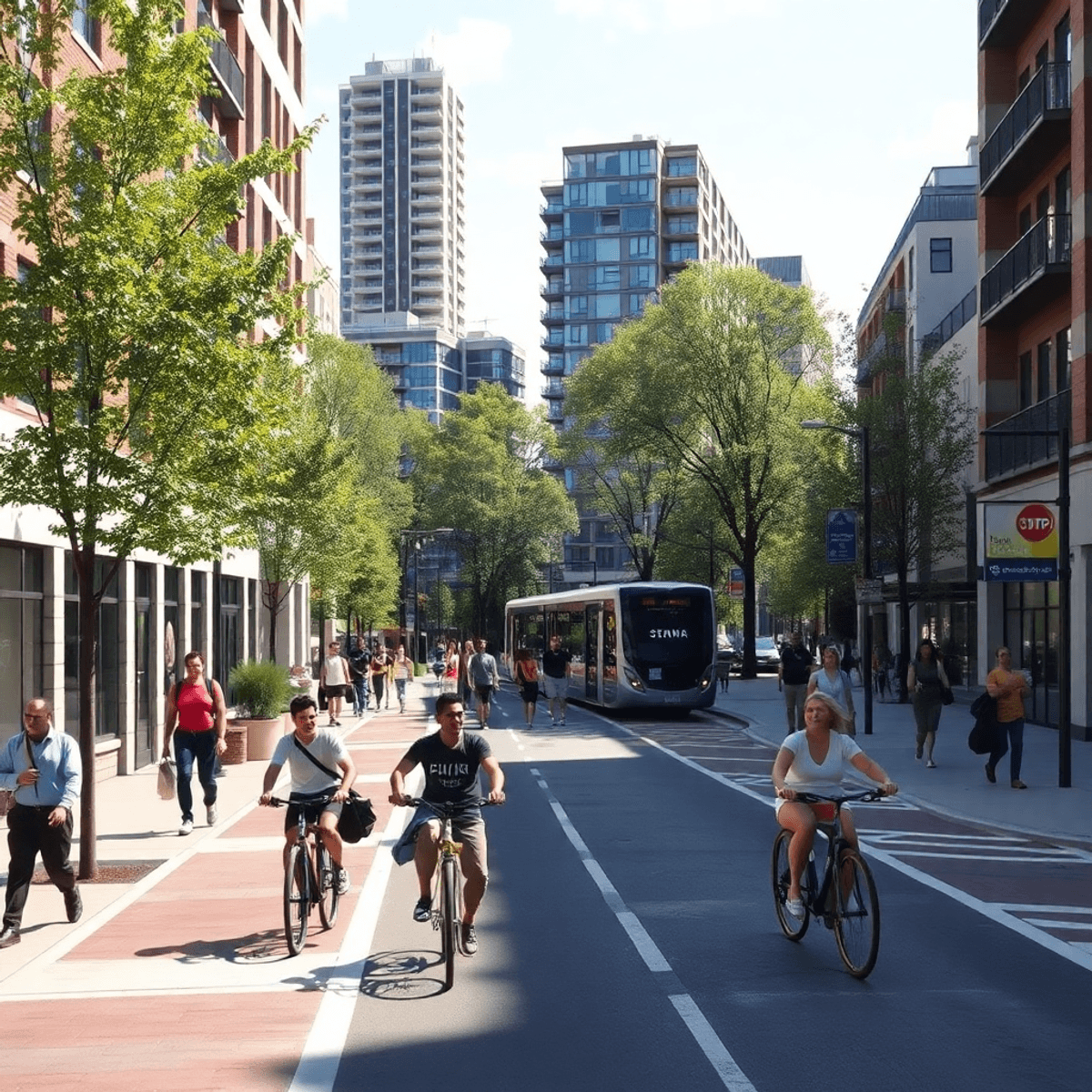
Transit-Oriented Design (TOD) is reshaping how cities grow by focusing development around public transit hubs. This approach prioritizes transit oriented development meaning that integrates residential, commercial, and recreational spaces within easy reach of frequent and reliable transit services. The goal is to create walkable neighborhoods, bikeable communities, and buildable urban areas that reduce dependence on cars while enhancing accessibility and quality of life.
Successful TOD projects rely on the synergy between three key elements:
- Walkability: Designing streetscapes that encourage walking through safe, connected sidewalks and pedestrian amenities.
- Bikeability: Providing dedicated cycling infrastructure that links seamlessly with transit networks and local destinations.
- Buildability: Promoting dense, mixed-use construction that maximizes land use efficiency near transit stations.
This combination creates vibrant places where people can live, work, shop, and play without needing a car. Cities implementing a strong TOD program benefit from reduced traffic congestion, lower greenhouse gas emissions, and more dynamic urban economies.
The transit-oriented design is central to modern urban planning strategies focused on sustainability and livability. By fostering compact growth around transit nodes, TOD supports equitable access to transportation and essential services for diverse populations. It represents an effective way to build resilient cities prepared for future challenges in mobility and environmental stewardship.
Moreover, the integration of various types of housing such as luxury condos, multi-family low-rise, or high-rise condos into these developments can further enhance their attractiveness. This is particularly relevant when considering purchasing condos as part of the urban living experience.
Understanding Transit-Oriented Development (TOD)
Transit-Oriented Development, often abbreviated as TOD, refers to an urban development strategy that concentrates residential, commercial, and recreational spaces within close proximity to high-quality public transit systems. The goal is to create transit oriented communities where people can live, work, and enjoy amenities without depending heavily on private vehicles.
What Constitutes Transit-Oriented Development?
At its core, TOD is about shaping cities and neighborhoods around transit hubs—such as train stations, bus terminals, or light rail stops—to promote denser, walkable environments. The TOD development meaning centers on maximizing accessibility to transit by designing compact neighborhoods that combine multiple land uses. This approach encourages public transit use by making it the most convenient option for daily travel needs.
Key components of TOD include:
- Mixed-use development: Integration of housing, offices, retail shops, restaurants, and entertainment venues within a walkable radius around transit stations.
- High-density building: Concentrating population and jobs near transit stops supports efficient use of land and increases ridership.
- Proximity to transit hubs: Ensuring that most destinations are within a short walking distance (typically 400–800 meters) from transit access points.
- Pedestrian-friendly design: Streetscapes designed for safe and enjoyable walking experiences.
Core Principles of Transit-Oriented Development
The success of TOD projects depends on adhering to several foundational principles:
- Mixed-Use Environments
- Combining residential units with commercial and leisure spaces creates vibrant neighborhoods active throughout the day. This mix reduces the need for long trips by car. For instance, creating walkable mixed-use neighborhoods is a key aspect of this principle.
- High Density Near Transit
- Taller buildings and compact layouts close to stations increase the number of people who can conveniently use transit services. Higher density fosters economic viability for local businesses and public transport networks.
- Walkability and Connectivity
- Smaller blocks with continuous sidewalks enable easy movement on foot. Safe street crossings, accessible pathways, and attractive public spaces encourage residents to choose walking over driving.
- Reduced Parking Supply
- Limiting parking availability discourages car ownership and use while freeing up land for other valuable community purposes like parks or plazas.
- Integration with Transit Services
- TOD projects align closely with public transportation schedules and facilities to ensure seamless multimodal connections.
Differentiating Transit-Oriented Development and Transport-Oriented Development
Terminology in urban planning sometimes causes confusion between "transit-oriented development" and "transport-oriented development." While both emphasize connections between land use and mobility infrastructure, the nuance lies in focus areas:
- Transit-Oriented Development (TOD): Primarily targets areas served by fixed-route public transit such as trains or buses running on dedicated corridors. The emphasis is on creating communities that center around these frequent transit options.
- Transport-Oriented Development: Sometimes used interchangeably but broader in scope; it includes various forms of transportation infrastructure beyond just public transit—such as highways or freight corridors—and may prioritize connectivity for vehicles more generally rather than prioritizing pedestrian-focused environments.
In practice, TOD remains the preferred term when discussing pedestrian-friendly urban design linked explicitly to mass transit systems aimed at reducing car dependency.
Related Terminology
- Transit Adjacent Development: Refers to developments located near
Key Characteristics of Transit-Oriented Design
Transit-Oriented Design (TOD) revolves around creating urban spaces that seamlessly integrate living, working, and recreational activities with efficient public transportation. A successful TOD plan focuses on several fundamental characteristics that shape vibrant, accessible communities.
Mixed-Use Development Near Transit Hubs
- The integration of residential, commercial, and leisure spaces within walking distance from transit stations is a hallmark of pedestrian and transit oriented design.
- Mixed-use development encourages constant activity throughout the day and evening by providing places to live, shop, dine, and socialize without needing a car.
- This approach reduces trip lengths and supports increased ridership on transit systems by situating daily needs close to transit hubs.
- Examples of best transit oriented development in the world often showcase dynamic mixed-use environments that boost economic vitality while maintaining community character.
High-Density Building Strategies
- Concentrating housing and employment in dense clusters near transit stops maximizes accessibility and land efficiency.
- High-density developments support frequent and cost-effective public transit service due to increased demand in a compact area.
- Vertical growth through mid-rise or high-rise buildings helps accommodate population growth without expanding urban sprawl.
- Careful design ensures density enhances livability rather than creating congestion or overshadowing public spaces.
Pedestrian-Friendly Streetscapes
- Designing streetscapes that prioritize pedestrians is essential for pedestrian oriented development.
- Features include continuous sidewalks, safe crosswalks, street furniture, adequate lighting, and traffic-calming measures that create comfortable walking environments.
- Smaller block sizes improve connectivity and reduce walking distances between destinations.
- Pedestrian safety and comfort encourage more people to choose walking over driving, contributing to reduced vehicle dependency.
Incorporating Bicycle Infrastructure
- Bicycle oriented development integrates cycling networks as a core component of transit oriented design.
- Dedicated bike lanes physically separated from motor traffic increase cyclist safety and appeal.
- Secure bike parking facilities at transit stations enable seamless transfers between bicycles and public transport.
- Connections between neighborhood cycling routes and regional bike networks expand mobility options beyond walking or transit alone.
Complementary Public Spaces and Amenities
- Public plazas, parks, and community amenities enhance the buildable environment surrounding transit hubs.
- These spaces provide opportunities for social interaction, recreation, and relaxation that make TOD neighborhoods desirable places to live.
- Thoughtful landscaping and shading improve microclimates along walkways and gathering areas.
Each characteristic supports an interconnected system that prioritizes walking, biking, and public transit use. Together they form the foundation for sustainable urban environments where people can easily access diverse destinations without relying on private vehicles. This integration creates not only functional but also attractive neighborhoods aligned with modern goals for livability and environmental responsibility.
In this context, understanding different types of building structures becomes essential. For instance, investing in a low-rise building or choosing the right high-rise luxury condo.
The Role of Walkability in Transit-Oriented Design
Walkability is a key aspect of transit-oriented development (TOD). Creating walkable neighborhoods directly influences how residents engage with their environment and the transit systems that serve them. When daily destinations like shops, offices, and transit stations are within easy walking distance, people naturally reduce their reliance on cars. This shift lowers traffic congestion and cuts down greenhouse gas emissions, aligning TOD with sustainable urban goals.
Walkability Benefits
Healthier lifestyles emerge as a key benefit of walkability. Walking regularly encourages physical activity, which helps combat obesity, heart disease, and other chronic illnesses prevalent in car-dependent communities. In a well-designed TOD setting, residents can choose to walk instead of drive for short trips, making exercise part of everyday life rather than a separate activity.
Design Elements for Pedestrian Experience
Specific design elements enhance pedestrian experience and safety:
- Continuous sidewalks: Sidewalks without interruptions or dead ends encourage consistent foot traffic. They connect homes, transit stops, retail areas, and parks seamlessly.
- Street furniture: Benches, planters, and shelters create resting points that make walking more comfortable—especially for older adults or those with mobility challenges.
- Lighting: Well-lit streets increase visibility at night, improving safety and fostering a sense of security that encourages walking after dark.
- Safe intersections: Crosswalks with clear markings, pedestrian signals, curb extensions (bump-outs), and traffic calming measures reduce conflicts between pedestrians and vehicles.
Walkability as a Selling Point
In developments like high-rise condominiums, walkability is often a selling point. These high-density residential buildings near rapid transit hubs offer direct access to transit services along with amenities within a short stroll. The convenience of stepping out your door onto a pedestrian-friendly street that leads straight to public transportation exemplifies how integrating walkable infrastructure amplifies TOD’s effectiveness.
Designing Walkable Communities
Designing communities that prioritize walkability requires attention to human scale — streets should feel inviting rather than overwhelming. Narrower travel lanes for cars paired with wider sidewalks give priority to pedestrians without sacrificing vehicular access entirely. Trees and shade structures provide comfort during hot weather while visually softening hard urban edges.
Impact of Walkable Environments
The impact of walkable environments extends beyond physical health and transportation modes. It fosters social interaction by encouraging spontaneous encounters among neighbors or casual conversations at local shops. This strengthens community bonds and creates vibrant streetscapes where people want to spend time.
You can identify successful walkability in TOD areas by observing how naturally residents move through neighborhoods on foot throughout the day. These places often feature diverse uses packed close together—cafes next to grocery stores next to offices—supported by infrastructure that makes walking easy and enjoyable.
Walkable neighborhoods are not just about proximity; they require thoughtful design choices that prioritize pedestrians as equal users of public space alongside cyclists and drivers. Integrating these elements into transit-oriented developments unlocks the full potential of multimodal urban living.
Furthermore, when it comes to finding suitable housing in such walkable neighborhoods, understanding the nuances of different property types can be beneficial. For instance, knowing how to navigate pre-selling low-rise properties or having a guide to high-rise condominiums can significantly ease the process for potential buyers or renters seeking homes in these desirable locations.
Enhancing Bikeability in Transit-Oriented Communities
Bikeable environments are a critical element of successful transit-oriented development cities. Integrating cycling infrastructure within transit-oriented planning expands mobility choices, reduces dependence on motorized vehicles, and supports healthier, more active lifestyles.
Key reasons to prioritize bicycle-oriented development:
- Encourages multimodal transportation by linking cycling with public transit.
- Decreases traffic congestion and lowers greenhouse gas emissions.
- Increases accessibility for people without cars or those seeking affordable travel options.
- Enhances social equity by offering low-cost alternatives to private vehicles.
Creating bikeable neighborhoods around transit hubs requires intentional infrastructure investments and thoughtful design strategies. These ensure safe, convenient, and seamless cycling experiences that complement walking and transit use.
Essential Strategies to Boost Bikeability in TOD
Dedicated Bike Lanes
- Physically separated lanes protect cyclists from automobile traffic.
- Clear signage and lane markings enhance visibility and safety.
- Priority at intersections reduces conflicts with turning vehicles.
- Continuous networks encourage consistent use rather than fragmented routes.
Secure Bike Parking Facilities
- Covered racks and lockers near transit stations prevent theft and weather damage.
- Ample capacity accommodates both daily commuters and casual riders.
- Integration with commercial areas supports bike-and-shop trips.
- Facilities designed to accommodate cargo bikes and e-bikes broaden appeal.
To secure your pre-construction property, it's essential to consider the bikeability aspect as it significantly influences property value.
Seamless Connections Between Cycling Networks and Transit Systems
- Coordinated planning links bike paths directly to transit stops for easy transfers.
- Designated bike-share stations near rail or bus hubs expand first-last mile options.
- Policies allowing bikes on trains and buses increase flexibility for longer trips.
- Wayfinding aids help users navigate between modes efficiently.
Building a comprehensive cycling infrastructure within TOD encourages residents to choose bikes as a practical mode for short trips or combined travel. It strengthens the multimodal nature of transit-oriented development cities by making biking an integral part of everyday movement. This approach not only promotes sustainability but also fosters vibrant, active communities centered around accessible public transportation.
Building Sustainable and Equitable Transit-Oriented Communities
Transit-Oriented Development (TOD) plays a crucial role in shaping sustainable cities by directly addressing environmental and social challenges linked to urban growth. The design and implementation of TOD projects influence not only how people move but also how communities thrive with respect to equity and sustainability.
Environmental Sustainability through TOD
TOD reduces greenhouse gas emissions by lowering dependence on private vehicles. Concentrating residential, commercial, and recreational spaces near transit hubs encourages public transit use, walking, and cycling—modes that emit far fewer pollutants than cars. Key environmental benefits include:
- Reduction in Vehicle Miles Traveled (VMT): Residents within a TOD master plan tend to drive less since access to transit is convenient and reliable.
- Efficient Land Use: High-density building strategies minimize urban sprawl, preserving green spaces and reducing infrastructure needs.
- Energy Savings: Mixed-use developments near transit decrease energy consumption linked to long commutes.
Sustainable transit oriented development supports cleaner air quality and helps cities meet climate action targets by integrating land use planning with transportation systems. TOD neighborhoods become models for low-carbon living while maintaining vibrant, active environments.
Promoting Social Equity through Affordable Housing
Equitable transit oriented development focuses on inclusive growth by ensuring affordable housing options near transit stations. This strategy addresses the critical need for accessible homes among low- and moderate-income households who often face transportation cost burdens.
Key strategies include:
- Transit Oriented Communities Affordable Housing Incentive Program: Many jurisdictions implement incentive programs encouraging developers to include affordable units within TOD projects. These incentives may involve reduced parking requirements, density bonuses, or financial subsidies.
- Proximity to Opportunity: Locating affordable housing close to transit enhances access to jobs, education, healthcare, and social services.
- Mitigating Displacement: Thoughtful planning prevents displacement pressures often triggered by increased property values around transit stations.
By embedding affordability into TOD building initiatives, cities promote equitable access to amenities while fostering diverse communities. This approach counters traditional patterns of exclusion that isolate vulnerable populations from essential urban resources.
For instance, buying a condo in a TOD area can provide an affordable housing solution while also being strategically located near essential services.
Integrating Sustainability and Equity in TOD Master Plans
Successful TOD master plans prioritize both sustainable design principles and equitable outcomes from the start:
Zoning regulations support mixed-income housing types alongside commercial uses.
Public spaces are designed inclusively for all ages and abilities.
Infrastructure investments balance environmental goals with community needs.
This integrated framework ensures that transit oriented communities serve as catalysts for resilient urban growth where economic vitality coexists with environmental stewardship and social justice. Planners and developers working within this paradigm create neighborhoods that are not only walkable and bikeable but also buildable in ways that uplift all residents.
The convergence of sustainable transit oriented development practices with equitable housing policies establishes a foundation for healthier, more accessible cities—one where public transportation acts as a spine connecting opportunity without compromising the environment or social fabric.
Additionally, exploring various types of condos such as low-rise or high-rise options can further enhance...
Financing and Policy Frameworks Supporting Successful TOD Implementation
Funding transit-oriented development requires innovative approaches that leverage the unique value created by improved accessibility. One of the most effective mechanisms is capturing increased land values generated around transit hubs. When public transit infrastructure enhances an area’s desirability, land prices naturally rise. This uplift presents an opportunity to finance further infrastructure investments without relying solely on traditional public funds.
Innovative Financing Mechanisms
Value Capture Financing
Capturing a portion of the incremental land value increase can fund transit infrastructure or public amenities. Techniques include:
- Tax Increment Financing (TIF): Allocating future property tax revenue gains from rising land values to repay bonds issued for infrastructure.
- Special Assessment Districts: Levying fees on properties benefiting from proximity to transit to finance local improvements.
- Development Impact Fees: Charging developers fees based on the anticipated impact of their projects on transportation infrastructure.
Public-Private Partnerships (P3s)
Collaborations between government agencies and private developers help share risks and costs in building transit-supportive projects. These partnerships often blend public funding with private capital, leveraging expertise in real estate development and management.
Land Leasing and Air Rights Sales
Municipalities can lease publicly owned land near transit stations or sell air rights above rail lines to generate revenue. These strategies unlock additional financial resources while encouraging high-density, mixed-use developments that align with TOD goals.
Policy Tools Incentivizing TOD Development
Policies play a crucial role in guiding private investment toward transit-oriented outcomes. Effective TOD policy frameworks typically include:
Zoning Reforms
Adopting zoning codes that allow higher densities and mixed uses within walking distance of transit stations encourages developers to build vertically and diversify uses. Examples include:
- Form-Based Codes: Regulating building form rather than just use, ensuring pedestrian-friendly streetscapes.
- Relaxed Parking Requirements: Reducing minimum parking mandates lowers construction costs and discourages car dependency.
Incentive Programs
Financial incentives like tax abatements, expedited permitting, or density bonuses motivate developers to incorporate affordable housing or community amenities into their projects near transit hubs.
Comprehensive Transit-Oriented Development Plans
Local governments integrating TOD principles into citywide master plans set clear expectations for growth patterns. Such plans coordinate land use, transportation investments, and community goals, providing certainty for investors and residents alike.
Aligning Financing with Policy Goals
Combining value capture financing with supportive policies creates a reinforcing cycle:
- Increased accessibility raises land values.
- Captured value funds infrastructure improvements that enhance walkability and bikeability.
- Zoning reforms and incentives attract mixed-use developments.
- Vibrant TOD neighborhoods emerge with reduced car dependence and improved quality of life.
Successful implementation demands collaboration among transit agencies, municipal planners, financial institutions, developers, and community stakeholders. Aligning these actors around shared objectives ensures that financing tools and policies effectively promote sustainable, equitable growth centered on public transportation corridors.
Global Examples of Successful Transit-Oriented Development Projects
Transit-oriented development (TOD) has been embraced worldwide, producing some of the best transit oriented development in the world. These projects demonstrate how integrating walkability, bikeability, and buildability around transit hubs can reshape urban life. Exploring successful transit oriented development projects from different continents reveals practical lessons and inspiring strategies.
Arlington County, Virginia, USA
Arlington County stands out as a premier transit oriented development example in North America. The Rosslyn-Ballston corridor is a model for how dense, mixed-use neighborhoods can thrive along a metro rail line.
Key Features:
- High-density residential and commercial buildings clustered within a half-mile of metro stations.
- Pedestrian-friendly streets with continuous sidewalks and street-level retail.
- Extensive bike lanes connecting neighborhoods to transit stops.
- Limited parking to discourage car use and encourage public transit.
Arlington’s TOD success stems from strong local government policies that prioritized transit accessibility and coordinated land use planning. This approach increased Metro ridership while boosting economic vitality. It shows how zoning reforms paired with infrastructure investment can create vibrant, sustainable communities.
Curitiba, Brazil
Curitiba is frequently cited as one of the best examples of transportation oriented development globally due to its innovative bus rapid transit (BRT) system integrated with land use planning.
Key Features:
- Dedicated BRT corridors running through high-density mixed-use zones.
- Transit stations acting as community focal points offering retail and services.
- Wide sidewalks and dedicated bike paths promoting non-motorized transport.
- Affordable housing initiatives near transit nodes enhancing social equity.
Curitiba’s TOD model illustrates how efficient public transit combined with comprehensive urban design can reduce car dependency in fast-growing cities. Its success lies in early planning decisions that linked transportation investments directly to urban form, making it a benchmark for emerging economies.
Tokyo, Japan
Tokyo’s extensive rail network is complemented by some of the most sophisticated TOD efforts worldwide. Neighborhoods built around train stations exhibit remarkable density and diversity.
Key Features:
- Vertical mixed-use buildings combining retail, offices, and residences.
- Compact urban blocks that encourage walking short distances.
- Seamless integration of bicycle parking facilities at stations.
- Transit-oriented town centers that serve as social and commercial hubs.
Tokyo’s experience demonstrates how integrating multiple modes of transport with high-density development creates highly walkable environments. The city’s ability to maintain livability despite intense urban density provides valuable insights into managing growth sustainably.
Vancouver, Canada
Vancouver is recognized for its commitment to sustainable urbanism through TOD principles shaping its SkyTrain corridors.
Key Features:
- Neighborhoods designed with pedestrian-scaled streetscapes.
- Mixed-use developments emphasizing green building practices.
- Extensive cycling infrastructure linking residential areas to transit stops.
- Public spaces incorporated to enhance community interaction.
Vancouver’s TOD efforts highlight the importance of environmental stewardship combined with connectivity. The city’s focus on green infrastructure alongside transit accessibility exemplifies future-forward development practices.
These examples reflect diverse contexts but share common elements:
- Leveraging public transit as the spine for compact, connected communities.
- Prioritizing pedestrian and bicycle infrastructure.
- Fostering mixed-use environments that support daily needs within easy reach.
Each project offers transferable lessons on policy frameworks, design strategies, and community engagement crucial for replicating successful transit oriented development projects elsewhere.
Challenges and Future Directions in Transit-Oriented Design
Transit-Oriented Development (TOD) faces several challenges in implementation that can slow or complicate progress. Recognizing these obstacles is essential to overcoming them and advancing the practice of smart urban growth.
Common Obstacles in TOD Implementation
1. Funding Constraints
Large-scale TOD projects require substantial upfront investment in transit infrastructure, land acquisition, and mixed-use construction. Securing consistent funding sources often proves difficult. Public budgets may be limited, and private investors can be hesitant without clear short-term returns.
2. Community Resistance
Local residents sometimes oppose TOD initiatives due to fears about increased density, changes in neighborhood character, or potential displacement. Concerns about traffic congestion, noise, and strain on public services can generate pushback against proposed developments.
3. Regulatory Barriers
Zoning laws and building codes designed for conventional suburban development may not support the higher-density, mixed-use environments integral to TOD. Lengthy permitting processes and inflexible regulations add complexities.
4. Parking Requirements
Minimum parking mandates increase project costs and encourage car dependency rather than reducing it. Reforming these rules is crucial but politically sensitive.
5. Coordination Among Stakeholders
Successful TOD demands collaboration between transit agencies, developers, planners, residents, and elected officials. Misalignment of goals or communication gaps can stall projects.
Emerging Trends Shaping the Future of Transit-Oriented Design
Urban planning is evolving to address challenges while embracing sustainability and technological innovation. These future trends in urban planning for TOD point toward more resilient, livable communities.
1. Green Oriented Development
Integrating environmental sustainability into TOD goes beyond reducing car trips. Projects increasingly incorporate green building practices such as energy-efficient design, renewable energy use, stormwater management through green infrastructure, and preservation of open space. This approach supports climate goals while enhancing quality of life.
2. Smart Technology Integration
Smart city tools enable better management of transportation networks within TOD areas. Real-time data on transit operations, bike-share availability, pedestrian flows, and parking can optimize user experience. Digital platforms also facilitate community engagement and feedback during planning phases.
3. Flexible Zoning Models
Adaptive zoning frameworks encourage a mix of uses with varying densities responsive to local context. Form-based codes focusing on physical form over land use promote walkable streetscapes aligned with TOD principles.
4. Multimodal Connectivity Emphasis
Enhancing seamless connections between transit modes remains a priority. Improved last-mile solutions like micro-mobility options (e-scooters, shared bikes), pedestrian wayfinding systems, and integrated fare payment systems simplify travel across different modes.
5. The New Transit Town Concept
This model expands traditional TOD ideas by emphasizing social equity alongside economic growth and environmental stewardship. It encourages diverse housing options affordable to various income levels near transit hubs while fostering inclusive public spaces supporting community interaction.
Conclusion
Transit-Oriented Design (TOD) has many transit oriented design benefits that help build lively and comfortable cities. It puts walking, biking, and building together in a smart way. With TOD, people can get to their daily needs without using cars all the time. This helps cut traffic, makes the air cleaner, and helps people live healthier lives.
A way for people to live in a city and help the earth is possible with TOD when planners and leaders work together. They need to look at walking paths, bike lanes, and how buildings are set up. All these things have to be thought about at the same time, not by themselves.
Building cities with this kind of mindset helps people live better in many ways:
Helping more people get to jobs, schools, and other services.
Making sure everyone can live in a home near buses or trains that costs less.
Helping the economy grow with busy places for the public.
Cutting harm to the environment by using cars less.
The way transit oriented development works well is when everyone who has a say comes together and sticks to the rules. When people plan carefully and bring in new ideas, TOD can change cities into active places that help people live better.
FAQs (Frequently Asked Questions)
What is Transit-Oriented Development (TOD) and why is it important in modern urban planning?
Transit-Oriented Development (TOD) is a way to plan and design places. It helps make areas where many types of buildings and homes can be found all in one spot near train and bus stations. The idea is to build places where people can walk or bike to get around, and so they rely less on cars. This makes cities more friendly for everyone, helps the environment, and makes life better.
TOD matters because it helps more people use buses and trains. It makes it easier to get to different places. It also helps take care of nature and keeps cities clean and good to live in.
How do walkability and bikeability contribute to successful Transit-Oriented Design projects?
Walkability and bikeability are both important parts of TOD. They help make streets where people feel safe to walk and ride bikes. When the streets are good for walking and biking, people feel motivated to leave their cars and use other ways to get around. Things like having sidewalks that connect well, safe spots to cross, bike lanes just for bikes, and good bike parking, all make it easier for people to move around. These steps help people stay healthy, cut down on traffic, and make these places feel lively and fun for everyone who lives there.
What are the key characteristics that define effective Transit-Oriented Design?
Transit-Oriented Design brings together homes, shops, and offices close to bus and train stops. It uses tall buildings and puts in things like sidewalks and benches for people to walk. It also adds places for bikes so you can use both bike and bus easily. All these things help make busy neighborhoods where people feel good walking, biking, and taking buses or trains. This helps the city grow in a way that lasts.
In what ways does Transit-Oriented Development promote sustainability and social equity?
TOD helps the environment. It does this by cutting down on greenhouse gas emissions. This happens because people do not have to use their cars as much. Instead, they get to use more public transport or walk and bike to get around.
TOD is good for people, too. It makes sure there is affordable housing close to transit. This way, many kinds of people can live in these areas. They are able to get to important places and services by walking or biking in their own community.
What financing mechanisms and policies support the successful implementation of Transit-Oriented Development?
New ways to get money, like using land that goes up in price when transit gets better, can help fund new roads and stations in TOD areas. Policy tools like zoning rewards push builders to make mixed-use projects near transit stops. These steps help build strong and open communities that follow TOD ideas.
Can you provide examples of successful global Transit-Oriented Development projects?
Yes, there are some good examples like Arlington County in Virginia, USA, and Curitiba in Brazil. These projects show how people can join walkable neighborhoods, bike-friendly areas, and well-planned spaces around transit centers. Their success shows the value of good planning, working with the community, and new ways of design to build transit-oriented places people can live and enjoy. These ideas help make communities better for people all around the world.
Comments
Post a Comment